
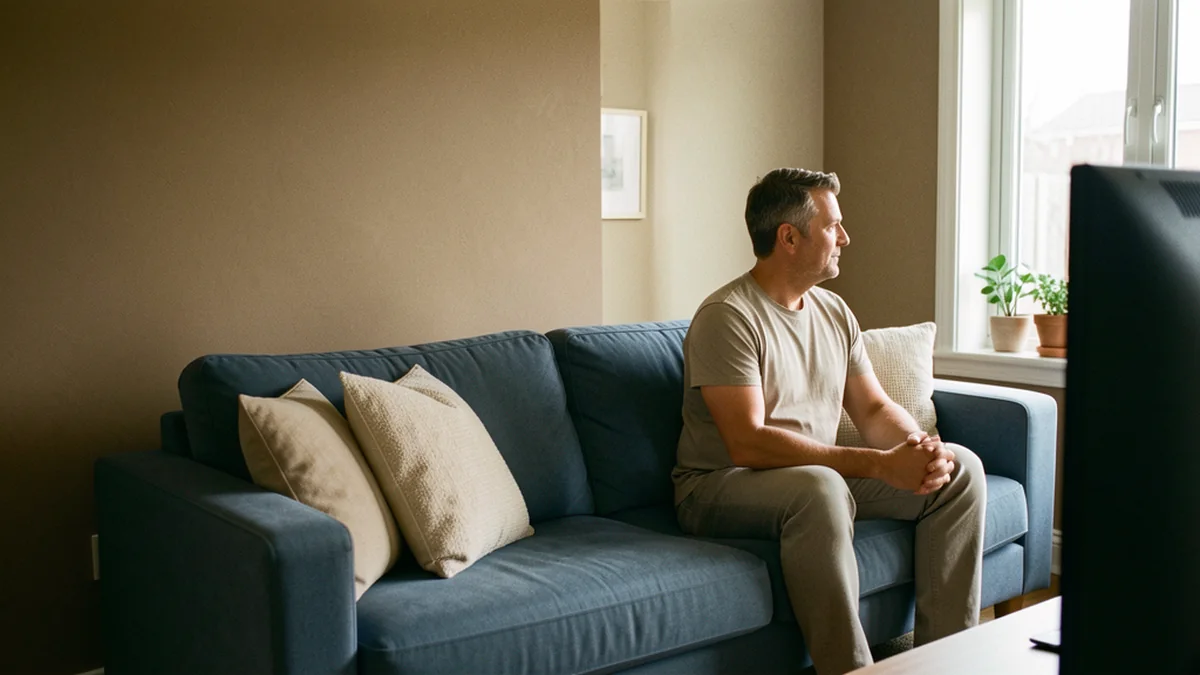
Residential addiction treatment is a live-in program where patients receive therapy, medical care, and peer support in a structured environment, 24 hours a day. It is the core level of care within the full continuum of addiction treatment programs at LACATC in Los Angeles. Patients live on-site in Encino, fully separated from the people, places, and pressures tied to their use, with clinical staff available at every hour.
What does a day in residential treatment look like?
A day in residential treatment follows a fixed clinical schedule from morning check-in to evening reflection. Structure is the treatment, because addiction thrives in chaos and recovers in routine. Days start at 7 a.m. and close with a community wrap-up at 9 p.m.
A typical LACATC day includes 5 elements:
- Morning health check and medication support
- Individual session using cognitive behavioral therapy (CBT) for addiction treatment
- Group therapy with veterans and civilians in recovery
- Skills training covering relapse prevention, sleep, and stress
- Evening peer community time and structured downtime
Weekends add family programming, recreation in the Encino hills, and recovery planning workshops. Every hour has a purpose, and every patient knows the schedule a day in advance.

Addiction thrives in chaos. Recovery is built on routine.
Who should choose residential treatment?
Residential treatment fits people whose home environment, withdrawal history, or co-occurring conditions make outpatient care unsafe or unlikely to succeed. It also fits anyone who has already tried outpatient treatment and relapsed. SAMHSA data shows only 15.6% of Americans who needed treatment in 2023 actually received it, and untreated addiction rarely improves on its own.
Do I need detox before residential care?
Yes, patients using alcohol, opioids, or benzodiazepines complete a medical detox program in Los Angeles County first. Detox stabilizes the body, and residential treatment then rebuilds the life around it.
How long does residential treatment last?
Residential treatment at LACATC lasts 30 to 90 days for most patients. Length of stay follows clinical progress rather than an arbitrary date, and progress is measured against 3 concrete markers.
- Stability: withdrawal resolved, sleep and appetite normalized, medications settled
- Skills: relapse prevention plans practiced and tested in real situations
- Support: family engaged, housing and work plans confirmed, step-down scheduled
Insurance reviews happen throughout the stay, and our utilization team advocates for the full length of care your clinical picture supports. You focus on treatment, and we handle the phone calls.
What makes LACATC's facility different?
LACATC's facility sits in the residential hills of Encino near Sapphire Drive, offering privacy and calm without luxury-resort pricing or gimmicks. We are a state-supported, ethics-first program, and we treat everyone, not just the privately insured.
The setting supports the clinical work in 3 ways: quiet surroundings lower stress reactivity, small census keeps therapy personal, and distance from old routines protects early recovery. Veterans and civilians heal side by side here, and dedicated veteran groups run weekly for those who want them.
Real treatment in the Encino hills, without the luxury markup.
FAQ
You do not have to fight addiction from the same rooms where it grew, surrounded by the same triggers. Call LACATC or begin addiction treatment today at LACATC to verify insurance and reserve a residential bed in Encino this week.